

Skip to content
nCage Therapeutics

Technology

Drug Delivery Systems

The TRAP-cage opens and closes on command. That single property is what makes it a delivery system rather than another nanoparticle.

Platform properties

What the cage can do

01Formed
Our synthetic VLPs are formed by triggered assembly of modified protein.
02Modifiable
Both the exterior and the interior surfaces of the cage structure are easily modified, which is where most of the platform's potential sits.
03Encapsulation
The cage encapsulates many different therapeutic molecules — proteins, oligonucleotides and small molecules — then transports them and targets them precisely in vivo.
04Superior
We believe these structures offer modification and engineering capabilities beyond current lipid or dendrimer technologies, and expect improved biodistribution, targeting and pharmacokinetics against available delivery platforms.
05Programmable
nCage's platform is the only artificial protein cage or synthetic VLP with programmable opening, releasing biological cargo in response to an external stimulus — for example, breaking apart on addition of cellular reducing agents.

nCage technology

Three approaches to delivering drugs

The same cage, aimed at three delivery problems that current platforms handle badly.

TRAP-cage conjugated to a targeting antibody.
Fig. 01TRAP-cage conjugated to a targeting antibody.

TRAP Cage ConjugatesTCC

Targeting with antibodies or nanobodies.

Small molecule payload held in the cage interior.
Fig. 02Small molecule payload held in the cage interior.

Small Molecule DDS

Targeted delivery of small molecules.
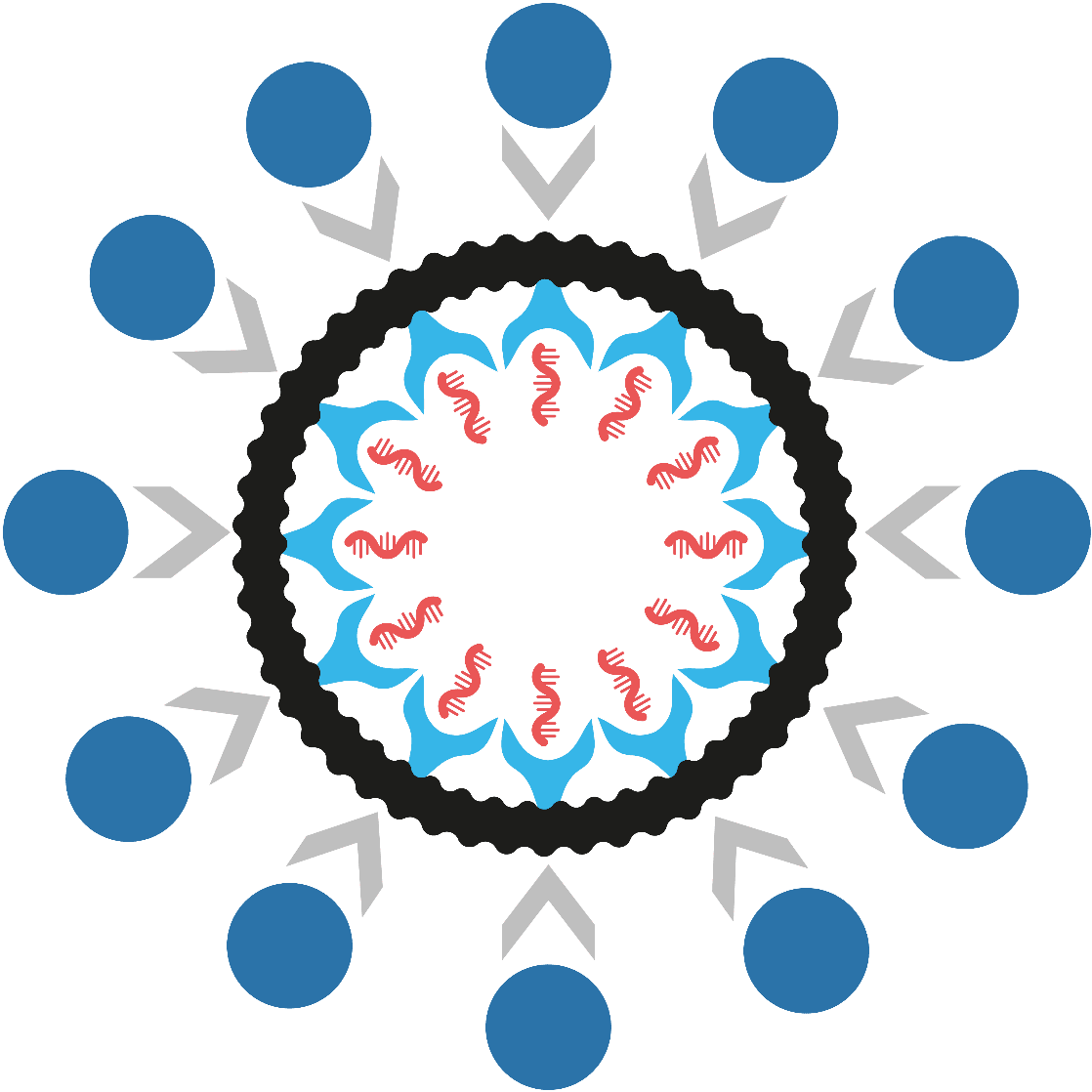
Nucleic acid cargo packaged for delivery beyond hepatic tissue.
Fig. 03Nucleic acid cargo packaged for delivery beyond hepatic tissue.

Nucleotide Delivery

RNA delivery outside of the liver.

Partner with us on delivery

If your programme is limited by payload stability, off-target exposure or tissue reach, we would like to hear about it.

Get in touch